About
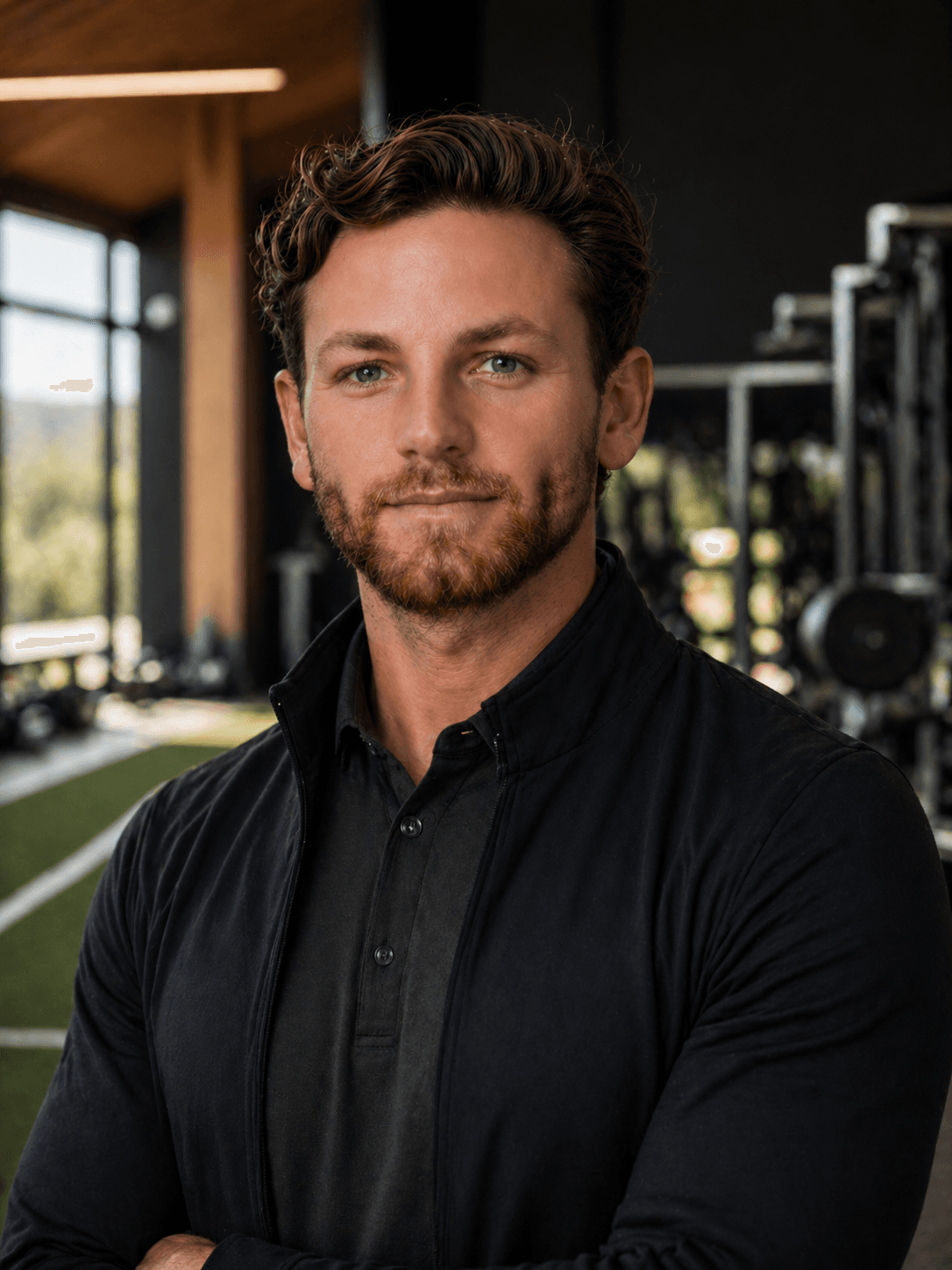
Andrew Irwin, MD, CSCS
Internal medicine physician. Certified Strength and Conditioning Specialist. Ironman and Hyrox competitor. I am building Vital Capacity as a future performance medicine practice for adults who train seriously and want deeper testing, clearer interpretation, and medical follow-through.
Vital Capacity is in development and not accepting patients.
Origin
01 / Kinesiology
Dalhousie University
Movement, gait, strength and the way bodies adapt under load came first, before medical school.
02 / Coaching
Personal training
Working as a trainer clarified where programming ends and medical history, symptoms, medication and risk enter the picture.
03 / Internal medicine
Clinical practice
Labs, symptoms, medications, family history, imaging and lifestyle have to be reconciled into one plan.
What I have seen in practice
Two patterns repeat. High-performing adults walk out of routine physicals with normal-looking labs, while the things actually holding them back sit hidden in tests that were never ordered: a heart-disease marker climbing in the background, an early sign of insulin trouble, a fitness number lower than expected, muscle quietly being lost behind a normal-looking weight. Modern medicine is very good at diagnosing disease once it has declared itself. It is less often built to enhance health, preserve capacity, and prevent disease before it becomes obvious.
I also see the other end of the timeline in hospital medicine: people whose bodies are too weak to tolerate the treatments meant to save them. The athletic twenty-year-old and the frail seventy-year-old can be the same person separated by decades of training, nutrition, sleep, injury, illness, and medical decisions. The trajectory is rarely random.
I have also practiced in remote locations like the Himalayan villages of northern India, with no internet and no backup. That experience reset what I think a physician's job actually is. It is not simply delivering information. It is taking responsibility for the next decision when the data is incomplete and the patient is in front of you.
Why I am building Vital Capacity
Fit adults often receive medical care from people who do not understand training, and training advice from people who cannot practice medicine.
The starting point is the Diagnostic Day: records, testing, body composition, fitness and strength measures, read together with training history, family history, medications, symptoms and goals. The point is to understand what matters and decide what happens next.
The core focus is integration:
- Training and strength treated as part of medicine
- Injuries, movement quality, and how much your body can take
- Cardiorespiratory fitness and long-term cardiovascular risk
- Blood sugar, cholesterol, and how your body handles fuel and weight
- Staying capable, decade after decade
The goal is not testing for its own sake. It is helping committed adults stay strong, healthy, and capable for longer, with one physician connecting the medical side and the training side over time.
Athletic identity
Training is not a hobby added onto the practice. It is part of how I think. Two decades of competitive training have made the trade-offs concrete: fatigue, injury risk, race goals, family life, sleep, nutrition, and the cost of trying to get better.
Credentials
- Internal medicine residency, Tufts Medical Center
- Doctor of Medicine, Columbia University College of Physicians and Surgeons
- Certified Strength and Conditioning Specialist (CSCS), NSCA
- Master of Science in Global Health, McMaster University (specialization in Public Health Policy)
- Bachelor of Science in Kinesiology, Dalhousie University (specialization in Exercise Physiology)
Follow the work
Follow the work. Decide whether this is your kind of medicine.
I write about clinical science, human performance and where medicine and training meet. New essays go out on Substack.